
This post contains affiliate links. I may earn a small commission if you buy through them.
Every couple fights. The difference between couples who last and couples who don’t isn’t whether conflict happens — it’s how you handle it when it does. If you want conflict resolution books for couples that actually change how you argue, not just books that tell you conflict is bad, this list is built for that.
Some of these books focus on the exact words you use in the moment. Others go deeper into the patterns underneath the argument itself. If you want the short version first, our guide on how to fight fair covers the same Four Horsemen research these books build on.
You don’t need to read all ten to see a difference. Pick the one that matches how you two actually fight — sharp and fast, or quiet and avoidant — and start there.
10 Best Conflict Resolution Books
1. Fight Right: How Successful Couples Turn Conflict into Connection
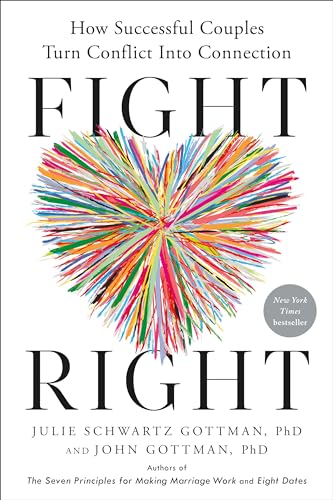
Fight Right by John Gottman and Julie Schwartz Gottman is the most direct book on this list — it’s built entirely around how couples argue, not just why. It picks up where the Four Horsemen research leaves off, giving you the actual moves that turn a fight into a repair instead of a spiral. The exercises are short enough to do in real time, not just after the fact.
Best for: Couples who already know their fight patterns and want concrete tools to change them.
2. Nonviolent Communication: A Language of Life
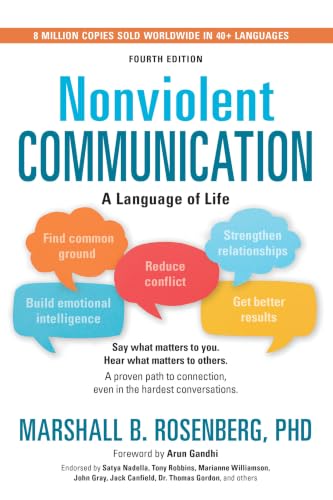
Nonviolent Communication by Marshall B. Rosenberg is the foundational text behind most modern conflict-communication frameworks, built around noticing feelings and needs instead of trading blame. It gives you a specific four-step structure — observation, feeling, need, request — that works even when only one of you has read the book. It’s dense in places, but the core framework alone is worth the read.
Best for: Couples who want a repeatable structure for saying hard things without starting a fight.
3. I Hear You
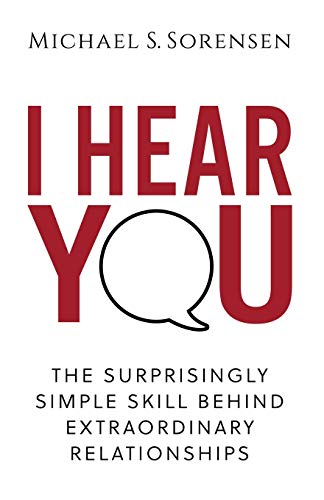
I Hear You by Michael S. Sorensen is a short, practical guide to validation — the skill of making your partner feel heard before you try to fix or explain anything. It’s built around a single idea: most arguments escalate because one partner feels dismissed, not because the actual issue is unsolvable. The examples are specific enough to use word-for-word in your next disagreement.
Best for: Couples whose fights tend to escalate fast because neither person feels listened to.
4. Crucial Conversations: Tools for Talking When Stakes Are High
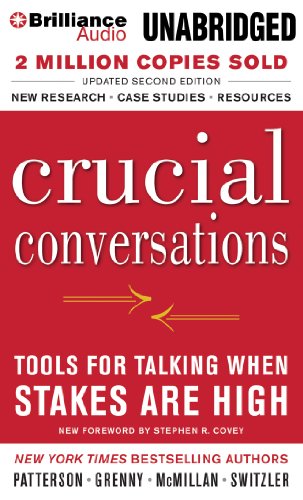
Crucial Conversations by Kerry Patterson, Joseph Grenny, Ron McMillan, and Al Switzler isn’t written specifically for couples, but it’s one of the most practical books available on talking through high-stakes disagreements without either person shutting down. It focuses on staying in the conversation when it gets tense, instead of going silent or going aggressive. The tools apply directly to money fights, in-law tension, and other recurring couple flashpoints.
Best for: Couples who tend to either go quiet or get defensive the moment a conversation gets tense.
5. Difficult Conversations: How to Discuss What Matters Most

Difficult Conversations by Douglas Stone, Bruce Patton, and Sheila Heen comes out of the Harvard Negotiation Project, and it reframes conflict as three separate conversations happening at once: what happened, feelings, and identity. Understanding which layer you’re actually arguing about is often the missing piece in a fight that keeps circling without resolution. It’s a slower, more analytical read than most on this list.
Best for: Couples who keep having the same argument over and over without ever landing anywhere.
6. The Dance of Anger
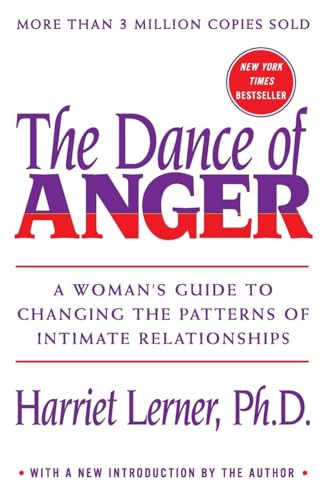
The Dance of Anger by Harriet Lerner is a classic for a reason — it treats anger as useful information about an unmet need, not a problem to suppress. It’s especially useful for the partner who tends to go quiet to avoid conflict, since it makes the case that anger, expressed clearly, is healthier than swallowing it. The patterns Lerner describes show up in almost every long-term relationship.
Best for: The partner in the relationship who avoids conflict rather than the one who escalates it.
7. Boundaries in Marriage
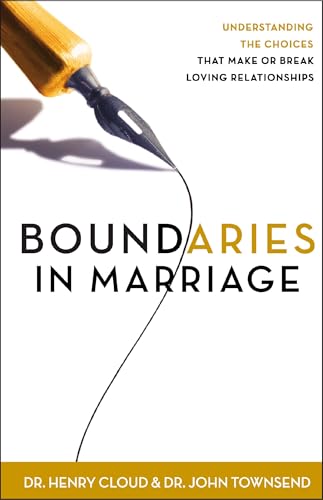
Boundaries in Marriage by Henry Cloud and John Townsend focuses on a specific kind of conflict: the fights that come from unclear expectations rather than genuine disagreement. It walks through how to say no, protect your own limits, and stay respectful while doing it, without turning every boundary into a fight. The faith-informed framing won’t be for everyone, but the boundary-setting tools stand on their own.
Best for: Couples whose conflict often comes from one partner overcommitting or over-accommodating.
8. The High-Conflict Couple
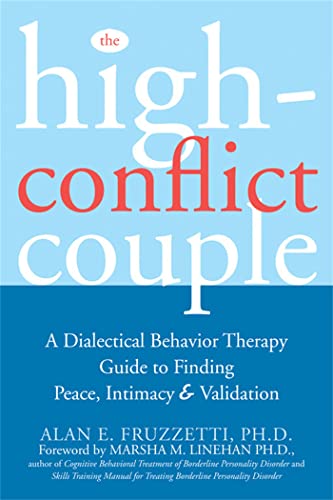
The High-Conflict Couple by Alan E. Fruzzetti applies Dialectical Behavior Therapy, or DBT, to relationships where arguments escalate quickly and often. It’s more clinical than most books on this list, with structured skills for managing your own emotional reactivity before trying to resolve anything with your partner. This is the right pick if your fights tend to get loud, fast, and hard to walk back from.
Best for: Couples whose conflicts regularly escalate to yelling or shutting down completely.
9. How We Love
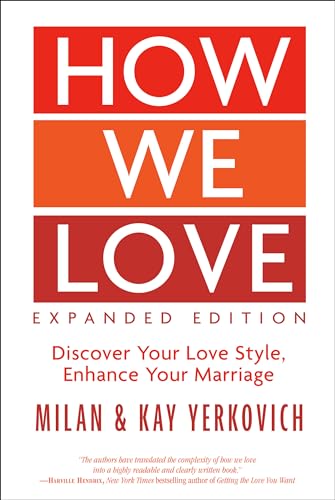
How We Love by Milan and Kay Yerkovich connects conflict patterns back to childhood attachment styles, using five “love styles” to explain why the same argument keeps resurfacing in a different outfit. It’s a useful bridge between attachment theory and day-to-day conflict, without requiring a full attachment-styles deep dive first. The self-assessment at the start makes it easy to start applying right away.
Best for: Couples who suspect their fights are really about older patterns, not the surface issue.
10. Say What You Mean
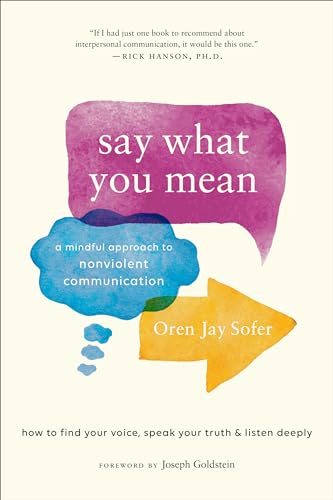
Say What You Mean by Oren Jay Sofer blends mindfulness with Nonviolent Communication principles, focusing on the pause before you respond rather than just the words themselves. It’s especially useful for the partner who tends to react instantly in an argument, since much of the book is about creating a half-second of space before speaking. The exercises are short enough to practice outside of conflict, so they’re already familiar when a real disagreement happens.
Best for: Couples who want to slow down their reactions in the moment, not just improve their wording.
Want Something More Hands-On?
If you want something more structured than a straight read-through, our roundup of relationship workbooks for couples covers guided, exercise-based alternatives to several of the books above.
If you want something more interactive than a book, the Closer Couples Journal gives you the same idea in a hands-on format — guided prompts built for two people to work through together, rather than one person reading alone. It won’t replace any of the books above, but it’s a good next step once you’ve picked one and want to put it into practice.
FAQ
Fight Right is usually the best starting point for couples who fight often, since it’s built directly around de-escalating an argument in the moment rather than just explaining conflict in theory. If the fights tend to get loud or hard to walk back from, The High-Conflict Couple is worth adding as a second read, since it focuses specifically on managing reactivity before trying to resolve anything. Either way, the goal isn’t fighting less — it’s fighting without doing damage.
A book alone won’t fix a conflict pattern, but the research behind most of these titles is solid, and the value comes from actually using the frameworks in a real argument, not just reading them. Couples who apply even one specific tool — a phrase from Nonviolent Communication, or a pause from Say What You Mean — tend to see a real difference within a few arguments. The book is the starting point, not the whole solution.
I Hear You and The Dance of Anger both work well here, since neither one frames itself as therapy or requires both partners to buy in for it to help. Even if only one of you reads it, the shift in how you communicate during conflict tends to change the dynamic for both people. A book is often an easier first step than therapy for a partner who’s resistant to that idea.
Most of these work at any stage, since conflict patterns tend to show up early and just get more entrenched over time. Nonviolent Communication and I Hear You are especially useful for newer couples, since they teach a communication skill from the start rather than undoing years of an established pattern. It’s easier to build a good habit early than to break a bad one later.
Final Thoughts
Every couple argues. The couples who make it aren’t the ones who avoid conflict — they’re the ones who’ve figured out how to fight without doing lasting damage. You don’t need to read all ten of these conflict resolution books for couples to see a difference.
Pick the one that matches your specific pattern, whether that’s escalating too fast or going quiet too soon, and start there. The right book won’t stop the next disagreement from happening. It’ll change what happens after it.
Ready to go deeper with your partner today? Download our free Couples Check-In Kit — 10 questions to bring you closer this week.

Sophie Bennett is a relationship writer passionate about helping couples grow closer, communicate better, and build love that lasts. She covers everything from long distance relationships to healing after heartbreak — with warmth, and no toxic positivity.